Understanding the Future of Senior Living
Why Expectations Are Changing
The next generation of older adults is entering senior living with different expectations than previous generations.
Residents are seeking greater choice, more personalized experiences, improved dining options and environments that support active lifestyles.
Families are also placing greater emphasis on resident well-being, engagement and overall satisfaction when evaluating senior living communities.
Dining as a Driver of Quality of Life
Food plays a uniquely important role in senior living environments.
Beyond nutrition, dining contributes to social connection, routine, comfort and enjoyment. Mealtimes often serve as opportunities for residents to build relationships and maintain a sense of community.
As a result, leading senior living organizations are investing in more flexible dining programs, expanded menu choices and hospitality-led service models.
Personalization Is Becoming Essential
Residents increasingly expect experiences that reflect individual preferences and needs.
This trend is influencing everything from menu development and wellness programming to facility design and day-to-day service delivery.
Organizations that embrace personalization are often better positioned to support resident satisfaction and foster a stronger sense of belonging.
The Connection Between Environment and Well-Being
The physical environment plays an important role in supporting quality of life.
Clean, safe and thoughtfully designed spaces can help residents maintain independence while creating environments where they feel comfortable and supported.
Facilities management, environmental services and accessibility planning all contribute to the resident experience.
Supporting Social Connection
Loneliness and social isolation remain important concerns for many older adults.
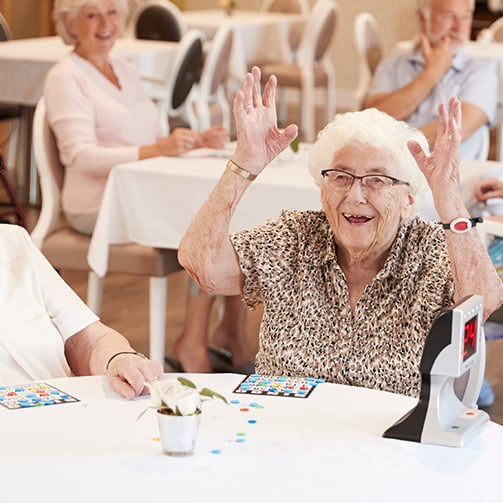
Senior living communities are increasingly designing programs and shared spaces that encourage engagement, interaction and participation.
Dining venues, community spaces and organized activities all contribute to creating vibrant environments where residents can connect with others.
Looking Ahead
The future of senior living will be shaped by a growing focus on hospitality, personalization and well-being.
Organizations that successfully combine care, dining, environment and community will be better positioned to meet the expectations of residents and families while enhancing quality of life.