Q: What does a strategic facilities management approach look like?
A: A strategic facilities management approach aligns workplace operations, asset performance and service delivery with broader organizational goals. Rather than focusing solely on day-to-day maintenance, it helps organizations improve operational efficiency, support employee well-being, manage risk and plan for long-term growth. By connecting facilities decisions to business priorities, organizations can create environments that deliver measurable value while supporting productivity, resilience and sustainability.
Q: How can facilities management help organizations reduce costs while maintaining service quality?
A: Facilities management can help reduce costs by optimizing energy use, improving maintenance planning, extending asset life and streamlining service delivery. A proactive approach focuses on preventing issues before they occur, reducing unplanned downtime and improving operational performance. Organizations that adopt data-driven facilities management strategies are often better positioned to control costs while maintaining safe, reliable and high-quality environments.
Q: What role does facilities management play in sustainability and carbon reduction?
A: Facilities management plays a critical role in helping organizations achieve sustainability objectives. Energy management, waste reduction, responsible procurement and asset optimization can all contribute to lower environmental impact and improved resource efficiency. As organizations face increasing expectations around environmental performance, facilities management has become an important tool for supporting carbon reduction strategies while maintaining operational effectiveness.
Q: How does facilities management contribute to workplace experience and employee well-being?
A: The quality of the built environment can directly influence how people feel and perform. Clean, safe and well-maintained spaces help support employee satisfaction, well-being and productivity. Facilities management also contributes to workplace experience through services that improve comfort, safety, accessibility and overall functionality. As employee expectations continue to evolve, organizations are increasingly using facilities management as part of a broader strategy to create engaging and supportive environments.
Q: How can facilities management improve asset lifecycle performance?
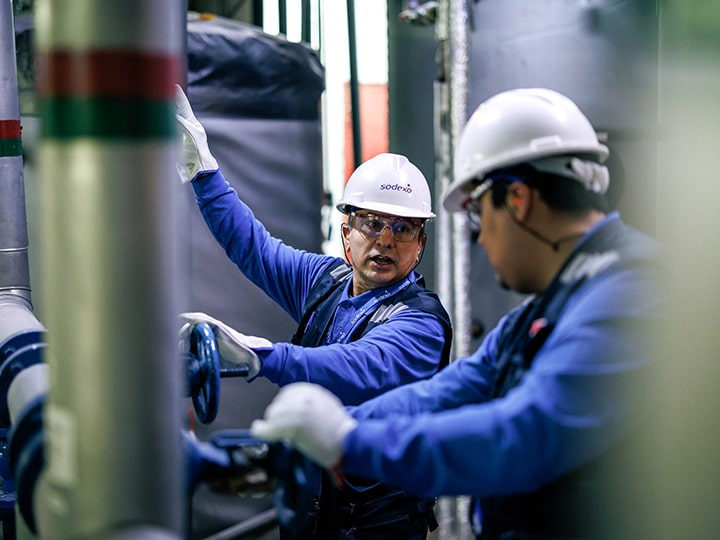
A: Effective asset lifecycle management helps organizations maximize the value of their buildings, equipment and infrastructure. Through preventive maintenance, condition monitoring and long-term planning, facilities management teams can identify potential issues early, reduce downtime and extend asset life. This approach supports better capital planning, improves reliability and helps organizations make informed decisions about future investments. Facilities management providers such as Sodexo help organizations optimize asset performance while supporting long-term operational and financial goals.