Q: What should organizations look for in a food services provider?
A: The most effective food services providers do more than serve meals. Organizations should look for a partner that can support employee engagement, guest satisfaction, sustainability objectives, operational efficiency and changing consumer preferences. Key evaluation criteria include menu flexibility, food safety standards, nutrition expertise, technology capabilities, responsible sourcing practices and the ability to adapt services to the needs of a specific environment, whether workplace, healthcare, campus or remote operations. Successful food programs align food services with broader organizational goals rather than treating dining as a standalone function.
Q: How does workplace dining influence employee experience and retention?
A: Workplace dining has become an important part of the overall employee experience. As organizations compete for talent and adapt to hybrid work models, employees increasingly expect convenient, healthy and engaging food options in the workplace. Workplace amenities can influence satisfaction, connection and workplace culture. Flexible dining models, diverse menu choices and spaces that encourage collaboration can help organizations create environments where employees are more likely to feel engaged and supported.
Q: How can food services support sustainability goals?
A: Food services contribute directly to sustainability outcomes through responsible sourcing, waste reduction, plant-forward menu strategies and operational efficiency. Organizations are increasingly looking for dining programs that help reduce food waste, lower carbon emissions and support local supply chains. Effective sustainability programs combine measurable targets with practical actions such as menu design, waste tracking technology and supplier partnerships. Sodexo incorporates sustainable food practices into its operations across Canada as part of its broader commitment to environmental responsibility.
Q: What food service trends are shaping workplaces, campuses and healthcare environments?
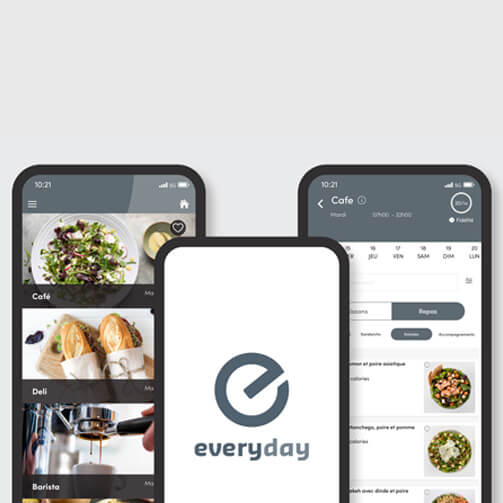
A: Several trends are driving change across food service environments. Consumers are seeking healthier options, greater menu transparency, convenient digital ordering and more sustainable food choices. Organizations are also adopting flexible service models that can adapt to fluctuating attendance, changing schedules and evolving dietary preferences. Technology-enabled ordering, grab-and-go concepts, micro markets and personalized food experiences are becoming increasingly common because they improve convenience while supporting operational efficiency.
Q: Why are customized food service programs more effective than standardized models?
A: Every organization has unique operational requirements, workforce demographics, wellness priorities and cultural expectations. Customized food service programs allow providers to align menus, service formats, operating hours, technology and sustainability initiatives with specific organizational needs. This flexibility often leads to higher participation rates, improved customer satisfaction and stronger alignment with business objectives. Sodexo works with clients across Canada to design food service programs that reflect the needs of their people, facilities and operating environments.