

Culture and Belonging
Discover how we foster culture and belonging in all our practices. Our commitment drives innovation and creates a welcoming environment for all.
Healthcare providers face growing pressure to enhance patient experiences while maintaining safety, improving operational efficiency and supporting overextended care teams. Sodexo brings together patient nutrition, environmental services, facilities management and healthcare support solutions to help create safe, healing environments for patients, families and staff. By integrating essential non-clinical services, we help healthcare organizations reduce operational complexity, enhance patient well-being and support high-quality care delivery.
Explore our healthcare solutionsSeamless Integration into Hospital Patient Flow
From the moment visitors arrive at the hospital, they interact with dozens of services and a surplus of staff members. Watch the video to see how our people are seamlessly integrated into your hospital’s existing patient flow.

Discover how Sodexo can enhance your healthcare facility's operations, patient experience, and staff satisfaction. Our tailored solutions ensure quality, safety and efficiency across all services. Let's work together to create a healthier environment for everyone.
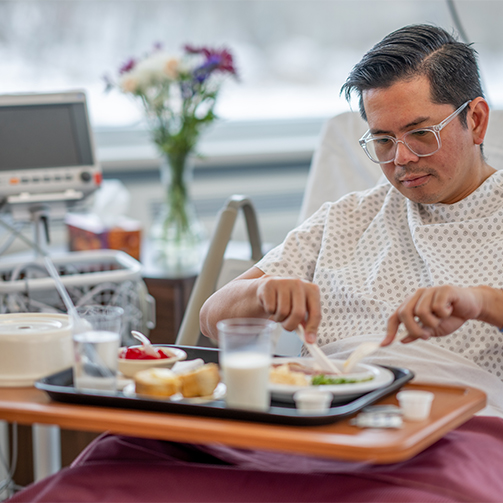









Q: How do healthcare food services and clinical nutrition programs support patient recovery, safety, and satisfaction in Canadian hospitals?
A: Healthcare food services play a critical role in patient recovery by delivering safe, nutritious meals aligned with clinical needs and dietary requirements. In Canadian hospitals, well designed nutrition programs support healing, improve patient satisfaction, and contribute to positive health outcomes. Coordination with clinical teams ensures meals meet therapeutic guidelines while respecting cultural and personal preferences.
Q: What role do facilities management services play in infection prevention, cleanliness, and compliance within healthcare environments?
A: Facilities management services support infection prevention through rigorous cleaning protocols, regulatory compliance, and continuous monitoring. In healthcare settings, consistency, training, and adherence to Canadian health and safety standards are essential. Effective facilities management protects patients, staff, and visitors while supporting accreditation and operational readiness.
Q: How can hospital food service providers adapt menus for therapeutic diets, cultural needs, and patient centred care models?
A: Hospital food service providers adapt menus by combining clinical expertise with culinary innovation. This includes managing therapeutic diets, texture modifications, allergen controls, and culturally inclusive offerings. Patient centred care models benefit from flexible meal ordering, improved presentation, and personalized service that respects individual needs without compromising safety or nutritional standards.
Q: What are the benefits of integrated healthcare support services for acute care, long term care, and rehabilitation facilities in Canada?
A: Integrated support services streamline operations, improve communication, and enhance consistency across healthcare environments. In Canada, combining food services, environmental services, and facilities management reduces complexity while improving patient experience and staff efficiency. This integration supports continuity of care across acute care, long term care, and rehabilitation settings.
Q: How do sustainable food sourcing and waste reduction initiatives impact healthcare operations and patient outcomes?
A: Sustainable food sourcing and waste reduction support healthier food systems while improving operational efficiency. In healthcare environments, responsible sourcing contributes to food quality and trust, while waste reduction programs help control costs and environmental impact. These initiatives align healthcare operations with broader public health and sustainability goals.